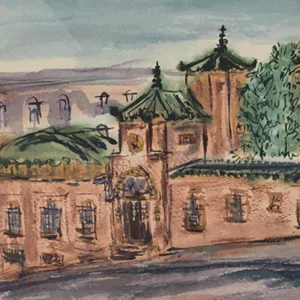
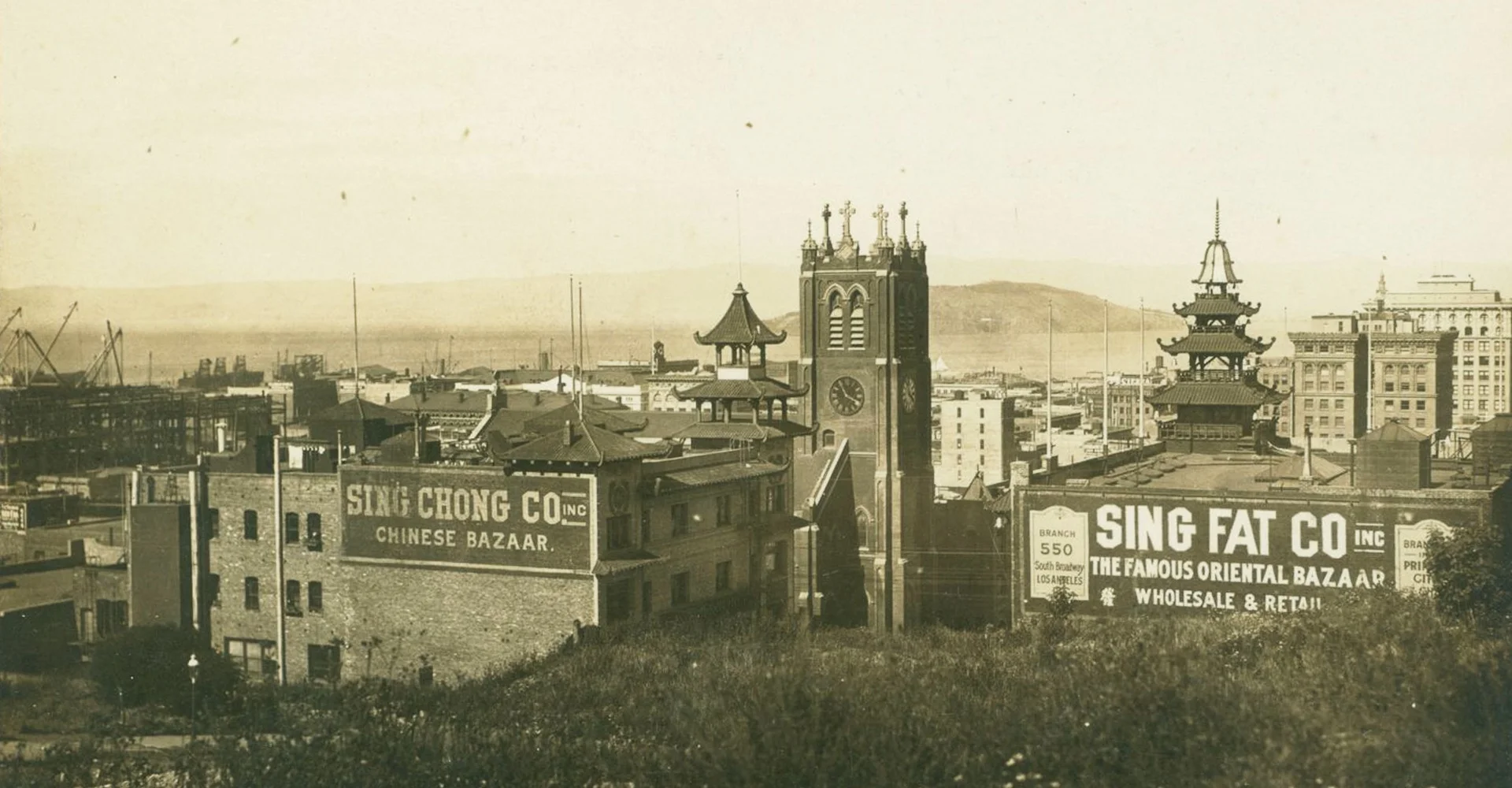
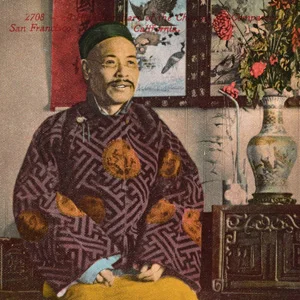
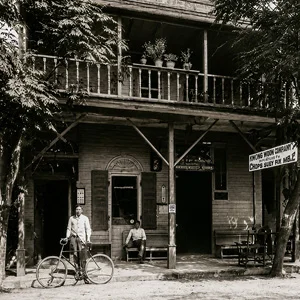
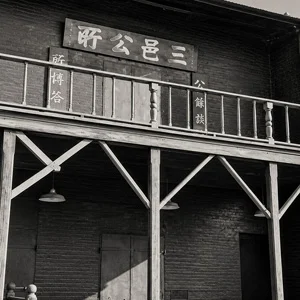
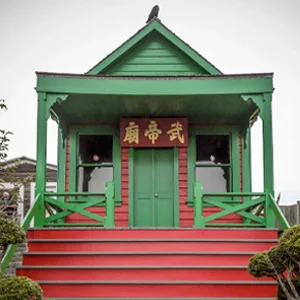
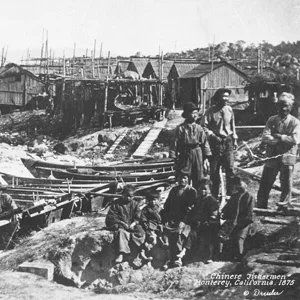
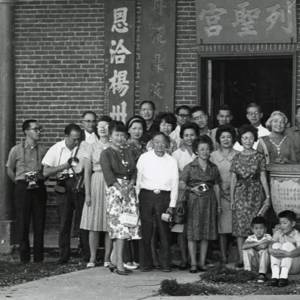
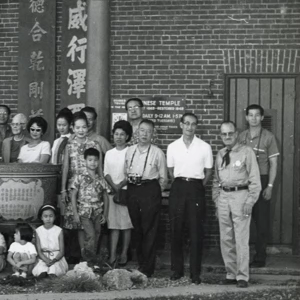
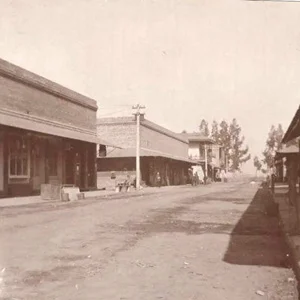
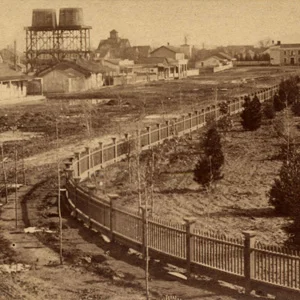
Supported by a grant from the National Archives and Records Administration (NARA), the Chinese Historical Society of America, along with a crew of community historians, has developed Extended Reality (XR) tours of important Chinese American heritage sites across California. These XR Tours allow the user to experience these sites and their stories through 360° panoramas, archival photographs, and 3D scans of artifacts.
In addition to exploring the XR Tours below, you can learn more about each site in its narrative profile, which provides more historical background and sources for further research. Teachers can also peruse the accompanying Curriculum Guide offering additional heritage site profiles, as well as discussion questions and classroom activities appropriate for Grades 4-12.
The XR Tour software, developed by Francis Li, is available under the GNU Affero General Public License. The repository is at https://github.com/ChinHistSocofA/xrtour.
Explore XR Tours
San Francisco
San Francisco
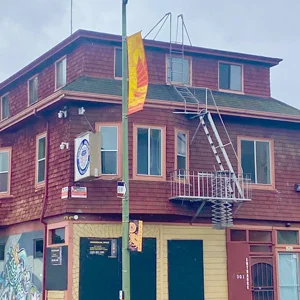
Chinese Historical Society of America (CHSA)
CHSA collects, preserves, and illuminates the history of Chinese in America.
San Francisco
Chinese Consolidated Benevolent Association (CCBA)
CCBA is a conglomeration of mutual aid societies active since the 19th century.
San Francisco
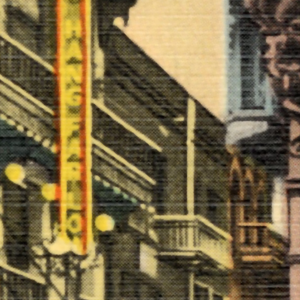
Grant Avenue
Chinatown’s continual reinvention can be found on Grant Avenue.
San Francisco
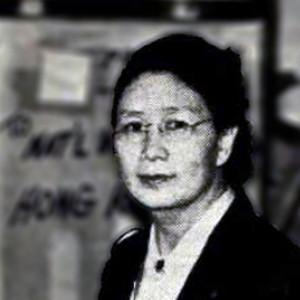
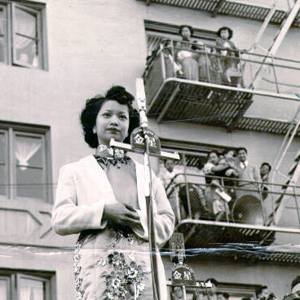
Dr. Margaret Chung
A pioneer for her gender and race, Dr. Margaret Chung created a unique life for herself and earned the respect of thousands of WWII servicemen.
San Francisco
Chinatown Housing
Housing in one of the densest neighborhoods in North America has been strengthened by community action.
Fiddletown
Fiddletown
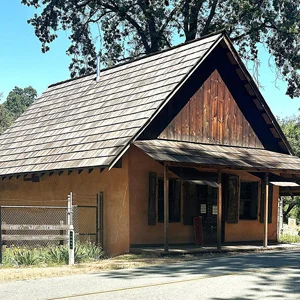
Chew Kee Store Museum
The Chew Kee Store served as a general store, community center and home for Chinese immigrants from 1855 to 1965.
Hanford
Hanford
China Alley
Founded during the expanding railroad and farm industries of the 1870s, eleven historic buildings remain largely intact and look just as they did over a hundred years ago.
Hanford
Hanford Taoist Temple
This 1882 building served as a community center, a place of worship, a meeting space, a hostel, and a Chinese school.
Mendocino
Mendocino
Temple of Kwan Tai
The Temple of Kwan Tai offers living evidence of Mendocino's 19th century Chinese community.
Monterey
Monterey
Monterey’s Chinese Fishing Village
The Chinese community pioneered the first commercial fishing industry in the Monterey Bay area.
Monterey
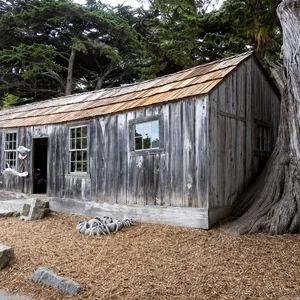
Point Lobos Whaling Cabin
Built by Chinese fishermen in the 1850s, this cabin is now a cultural history museum.
Oakland
Oakland
Chinese American Citizens Alliance (CACA)
CACA helps Chinese Americans across the United States advocate for their civil rights and preserve their cultural heritage.
Oakland
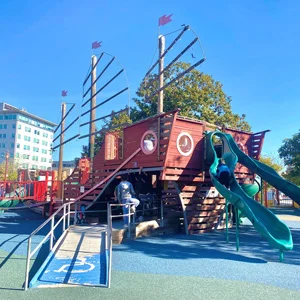
Lincoln Square Park
Lincoln Square in Oakland Chinatown is a hub for the youngest and eldest members of the community.
Oakland
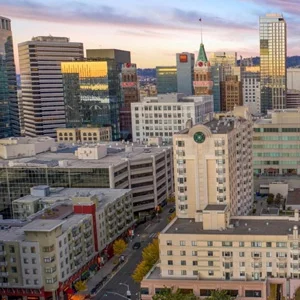
Pacific Renaissance Plaza
Pacific Renaissance Plaza is a testament to a community’s self-advocacy in neighborhood redevelopment.
Oroville
Oroville
Oroville Chinese Temple, Part 1
The origins of Oroville’s Chinese temple…
Oroville
Oroville Chinese Temple, Part 2
The evolution of the temple after becoming part of Oroville’s museums in 1937…
San Jose
San Jose
Heinlenville Chinatown, San Jose
Learn about the history of San Jose’s former Chinatown at Taylor and 6th Street, now Heinlenville Park.
San Jose
Market Street Chinatown
Learn how Chinese immigrants created a thriving community, how it was destroyed, and how descendants remember their heritage.
San Jose
Thomas Foon Chew/Alviso
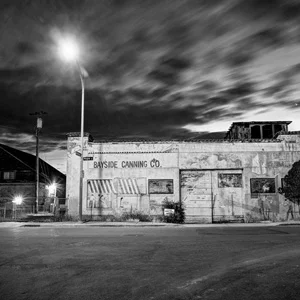
Learn about the Chinese immigrant whose Bayside Cannery in Alviso made him the “Asparagus King” during the 1920s.
With funding from